
MAX 20 by nourishmovelove: A Trainer's 4-Week Guide
By Team Veronika Fitness · November 17, 2026
A certified group fitness instructor who works as a trainer at a gym.
I work as a trainer at a gym, and I’ve been working through complete workout series from different YouTube creators—doing every workout and logging all the sets and minutes—to see whether a program actually fits your body and your goals.
Fourth on my list: MAX 20 from Lindsey Bomgren at Nourish Move Love. It’s a free strength challenge released in 2026: 20-minute dumbbell workouts, five days a week.
One thing to know up front: the free version on YouTube is a two-week challenge—ten workouts—plus one 10-minute HIIT burnout you can tack on. It’s built to be repeated, so I ran the two weeks twice for a four-week block.
What the four weeks actually look like
Five workouts a week, Monday through Friday, with weekends off. Each week follows the same split:
- Day 1 — Legs & back
- Day 2 — Arms (shoulders, chest, biceps, triceps)
- Day 3 — Legs & glutes
- Day 4 — Core
- Day 5 — Full body
Week two repeats the same movement patterns as week one, while adding tempo and rotation—so it feels familiar without being a carbon copy.
The workouts use two formats. Some days are timed intervals: 40 or 45 seconds of work, a short rest, and four rounds of the same four lifts. Other days are rep-drop ladders: 12, 10, 8, then 6 reps of each exercise, going heavier as the reps come down. Most days open with a quick "buy-in" exercise, and all of them include a warm-up and cool-down.
I also added the 10-minute HIIT burnout after my Monday, Wednesday, and Friday workouts.
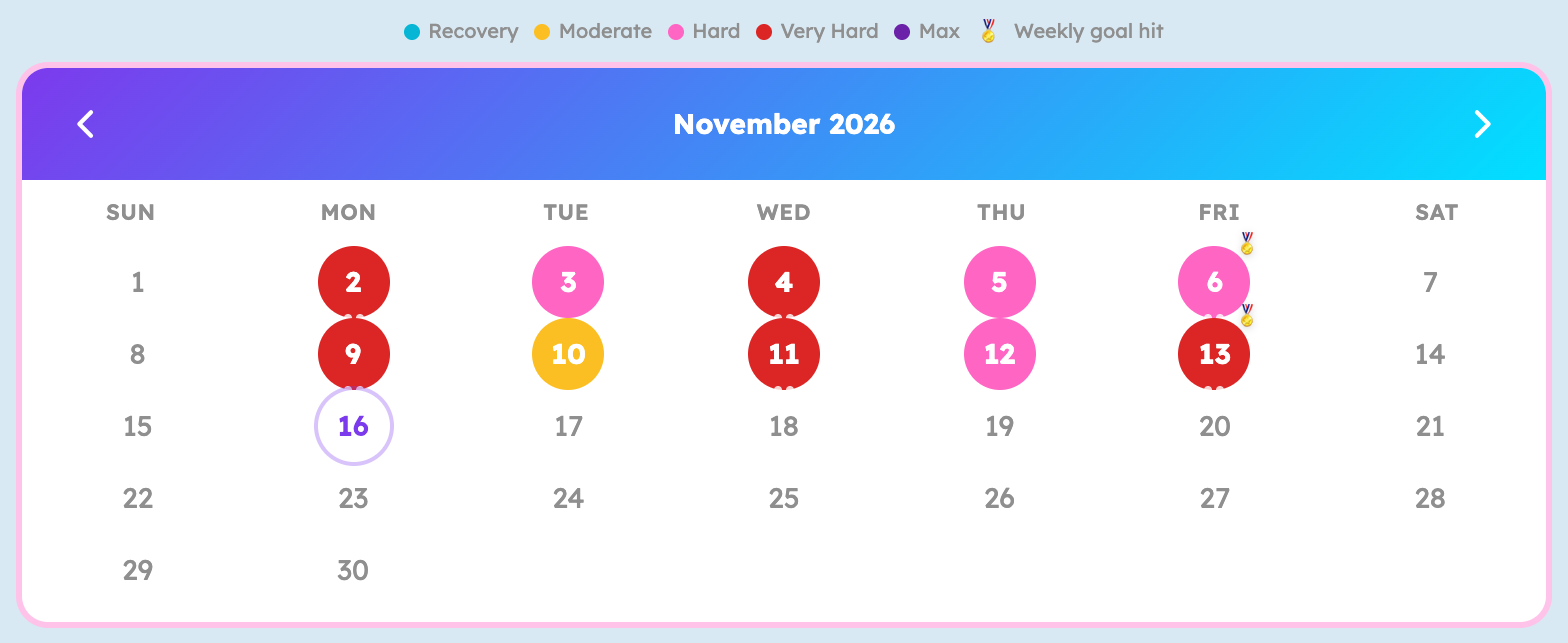
With the warm-up and cool-down, the workouts ran 25 to 28 minutes for me, and the burnout took a little over 10. Over four weeks, that came out to 20 workouts, 12 burnouts, and about 11 hours.
Lindsey's coaching style
Lindsey coaches the whole way through. She explains the format before you start, tells you what each exercise is training and why it’s in the workout, and keeps the form cues coming while you work. If you like being talked through a session, you’ll love her.
She’s joined by a second trainer who demonstrates a modification for every exercise—including pregnancy-friendly options—so there’s always an easier version on screen. The best example is pull-ups: Lindsey uses a pull-up bar, while the modification is a single-arm dumbbell row, so you don’t need a bar to do the program. She also tells you which dumbbells she’s using, and there’s a free tracking sheet if you like pen and paper.
What this program is best for
- General strength and conditioning: This is what it does best. The short rests keep your heart rate up while you lift, so you’re training both at once.
- Building muscle: You’ll build some—the rep-drop ladders are a good excuse to go heavy. But 20 minutes only leaves room for so many sets, so if muscle size is your main goal, a longer strength program will do more.
- Fat loss: A good fit for the exercise side if you’re short on time: it’s intense, it’s five days a week, and the HIIT add-on is there when you want more. The rest comes down to what you eat.
How it felt in real life
These are short, not easy. Twenty minutes with very little rest is a different kind of tired than a slower 30-minute session, and the rep-drop ladders make you earn the last set.
The ladders were my favorite format. Starting at 12 reps and finishing at 6 gives you a built-in reason to pick up the heavier dumbbells, and I went up a size for the 8s and 6s on most lifts. By the second time through, my squats and deadlifts had both moved up.
I don’t have a pull-up bar at home, so I opted for the single-arm row version every time, and the workouts still felt plenty challenging. And the HIIT burnout lives up to its name: ten minutes of bodyweight squats, lunges, push-ups, and burpees—more than enough to make you feel accomplished.
The trainer-nerd takeaways (and the numbers)
Logging the four weeks turned up a few things under the hood:
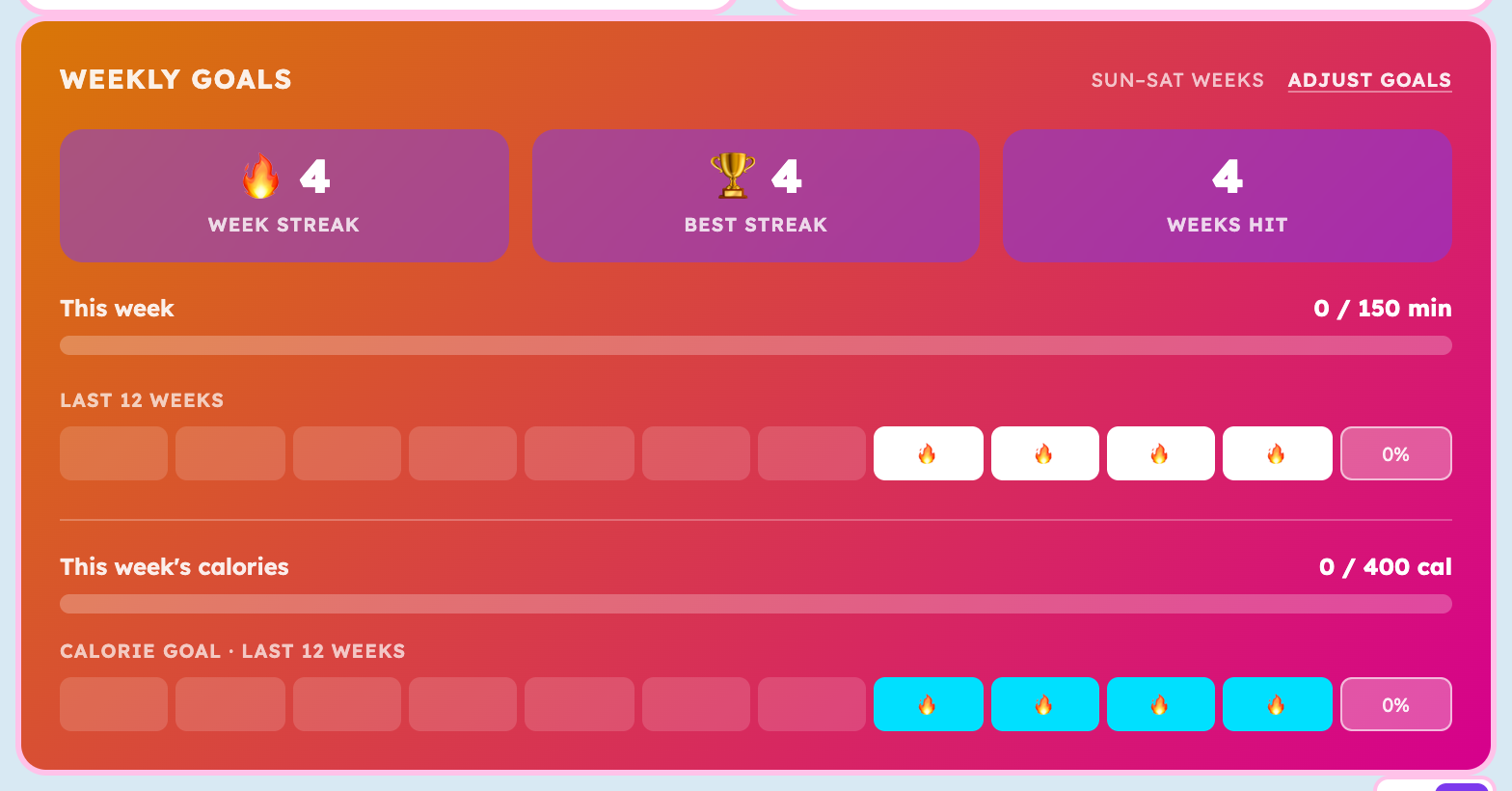
- The burnout is what gets you to 150 minutes: Five workouts alone came to about 134 minutes a week. Adding the 10-minute burnout three times took every week to roughly 165 minutes—clearing the standard 150-minutes-a-week activity guideline without adding a sixth day.
- It’s strength with real intensity: Of the workouts where I logged heart rate, most landed in my moderate or hard zones. That’s a big jump from the slower strength programs I’d done before it.
- Repeating it is the progression: The second time through, I started squats at 20 lbs per hand instead of 15, and deadlifts at 25 lbs instead of 20.
- Equipment: A few pairs of dumbbells and a mat. A mini band is used on the leg days, and a pull-up bar is optional. I used 5s through 25s.
Who I'd recommend this to
- Anyone who’s short on time and wants a real strength session in under half an hour.
- People with a base of strength training who want more intensity and less rest.
- Anyone who likes a coach talking them through every set.
- People who want modifications shown on screen, including during pregnancy.
- Anyone who gets bored easily—the formats change from day to day.
Who will probably be bored
Actually, the issue here isn't boredom—it's pacing: true beginners will find the speed and the compound lifts a lot to take in, so start with something slower first. And if you prefer quiet workouts with minimal talking, this is the opposite of that.
The muscle-balance check (and two easy things to add)
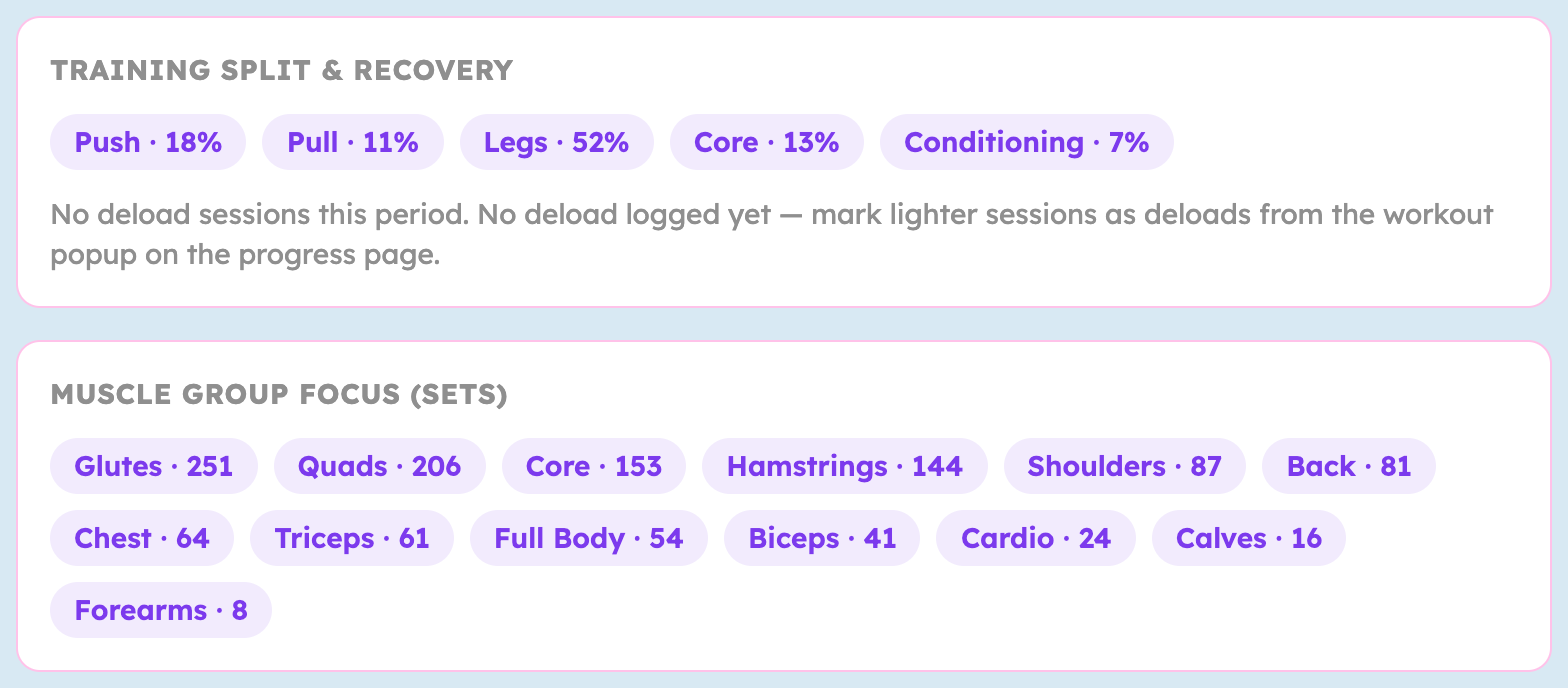
Logging every set shows what actually gets worked over four weeks, and this one is a lower-body program at heart. Legs made up 52% of my sets—glutes and quads led by a wide margin, with hamstrings and core close behind.
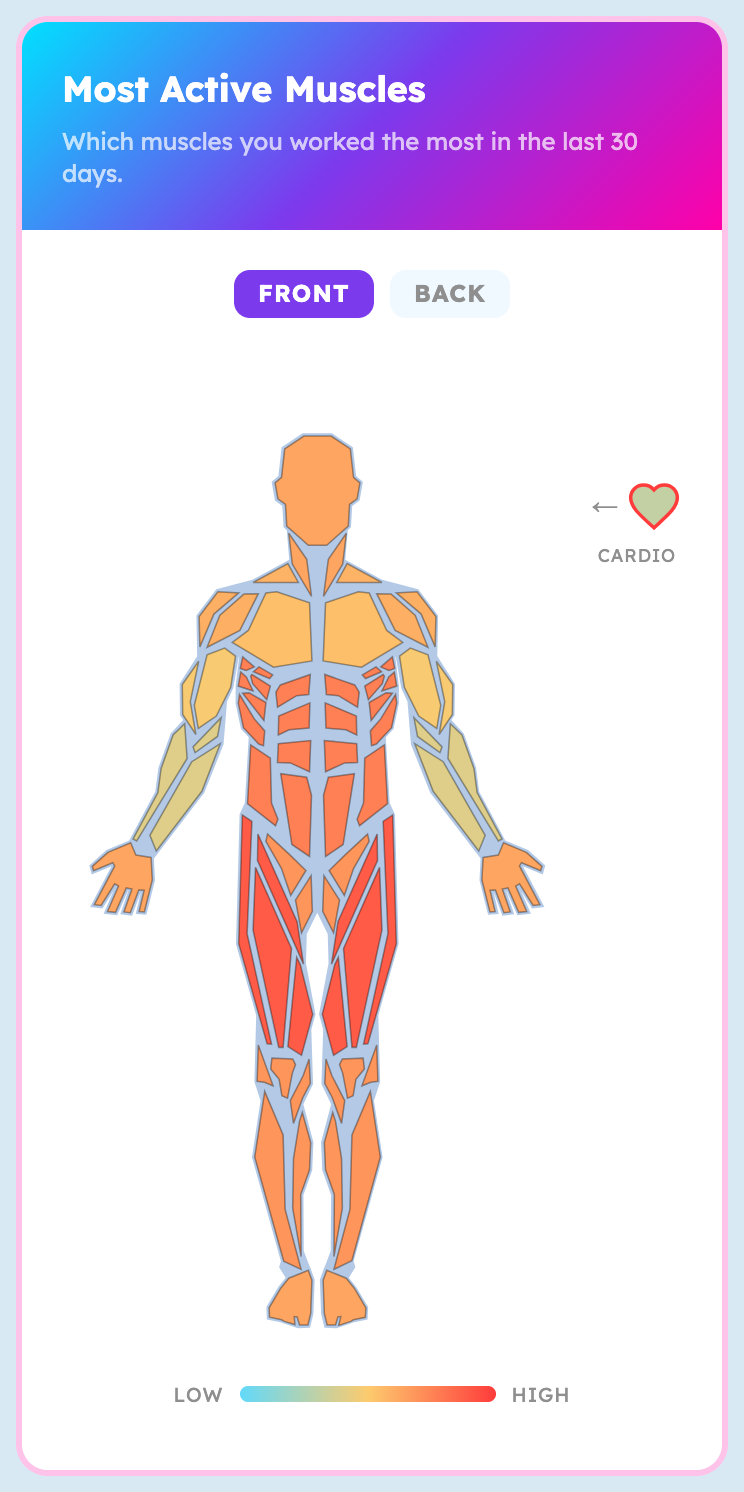
The data also highlights a classic trade-off of training at home with dumbbells only: without a pull-up bar or cable station, you lose vertical pulling. Even with single-arm rows swapped in, upper-back pulling finished as the smallest part of my split (11%, compared with 18% for pushing), with biceps getting the fewest sets of any major muscle group. Calves also landed on the light side with just 16 sets in four weeks.
If you're running the dumbbell-only version, two quick additions balance things right out: tack two sets of dumbbell rows onto the end of the arms day and the full-body day, and add a couple of sets of calf raises after one leg day a week. That’s just a few extra minutes a week for a much more rounded four weeks.