
Flex Awaken by Jasper MacDermot: A Trainer's 4-Week Guide
By Team Veronika Fitness · November 17, 2026
A certified group fitness instructor who works as a trainer at a gym.
I work as a trainer at a gym, and I’ve been working through complete workout series from different YouTube creators—doing every workout and logging all the sets and minutes—to see whether a program actually fits your body and your goals.
Sixth on my list: Flex Awaken from Jasper MacDermot. It’s a free series of 12 full-body dumbbell workouts, about 40 minutes each.
I’ll say it up front: this is my favorite set-up of everything I’ve done so far. Three full-body workouts a week, with the mobility work built right into each one. It’s also not a beginner program—more on that below.
What the four weeks actually look like
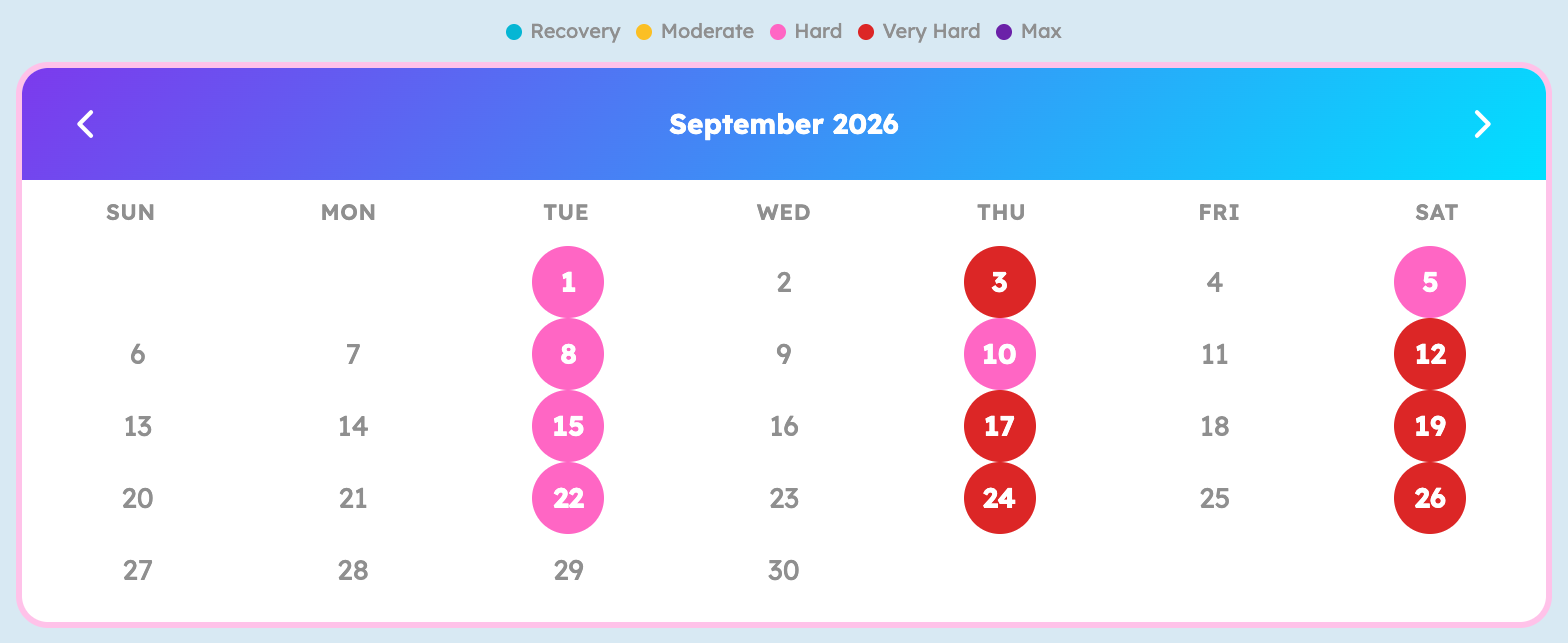
Three workouts a week for four weeks. I did Tuesday, Thursday, and Saturday.
Every workout follows the same blueprint:
- Warm-up: five minutes of mobility-based movement
- Strength: one big lift for three sets, with a mobility drill in between
- Accessories: two pairs of exercises, 45 seconds on, two sets each
- Finisher: a short burnout for arms, shoulders, or core
- Stretch: four minutes to cool down
That’s what I love about it. The mobility isn’t a separate day you’ll end up skipping—it’s in the warm-up, between your heavy sets, and at the end of every session.
Mine ran 41 to 44 minutes, averaging 42. Over four weeks, that came out to 12 workouts and about eight and a half hours.
Jasper's coaching style
Jasper is just a likeable guy. He coaches the entire workout out loud—every setup, every form cue—and he does it with a steady stream of self-described bad dad jokes. He says the series is meant to feel like working out with a friend, and it really does.
He’s also a very good teacher. He explains why each move is in the workout and what it’s doing for your strength or your mobility, and he tells you which dumbbells he’s using so you have a reference point.
What this program is best for
- General strength and mobility: This is where it shines. Every session pairs one heavy lift with mobility work, so you get stronger and move better at the same time. It’s what I’d recommend it for first.
- Building muscle: You’ll build some—the finishers for arms and shoulders in particular leave you with a real pump. But with three full-body sessions a week and only a couple of sets per exercise, the total volume for each muscle is modest. If muscle size is your main goal, a dedicated hypertrophy program will get you there faster.
- Fat loss: It covers the strength side, but there’s no cardio in the plan, and the rest comes down to what you eat. Pair it with regular cardio if that’s your goal.
How it felt in real life
I learned new moves, which doesn’t happen to me very often. The Fisherman’s squat was completely new to me, and by the end of the month it had become one I looked forward to.
And then there are the Cossack squats. They are hard. Shifting side to side into a deep squat takes hip mobility and leg strength at the same time, and I did them with just my bodyweight for the whole four weeks. They did get better—lower, and a lot less wobbly—but they never got easy.
The rest of it felt like real training: rows, deadlifts, and goblet squats with my heaviest dumbbells, plus pike push-ups, Z-presses, and Jefferson curls to keep things interesting.
The trainer-nerd takeaways (and the numbers)
Logging the four weeks turned up a few things under the hood:
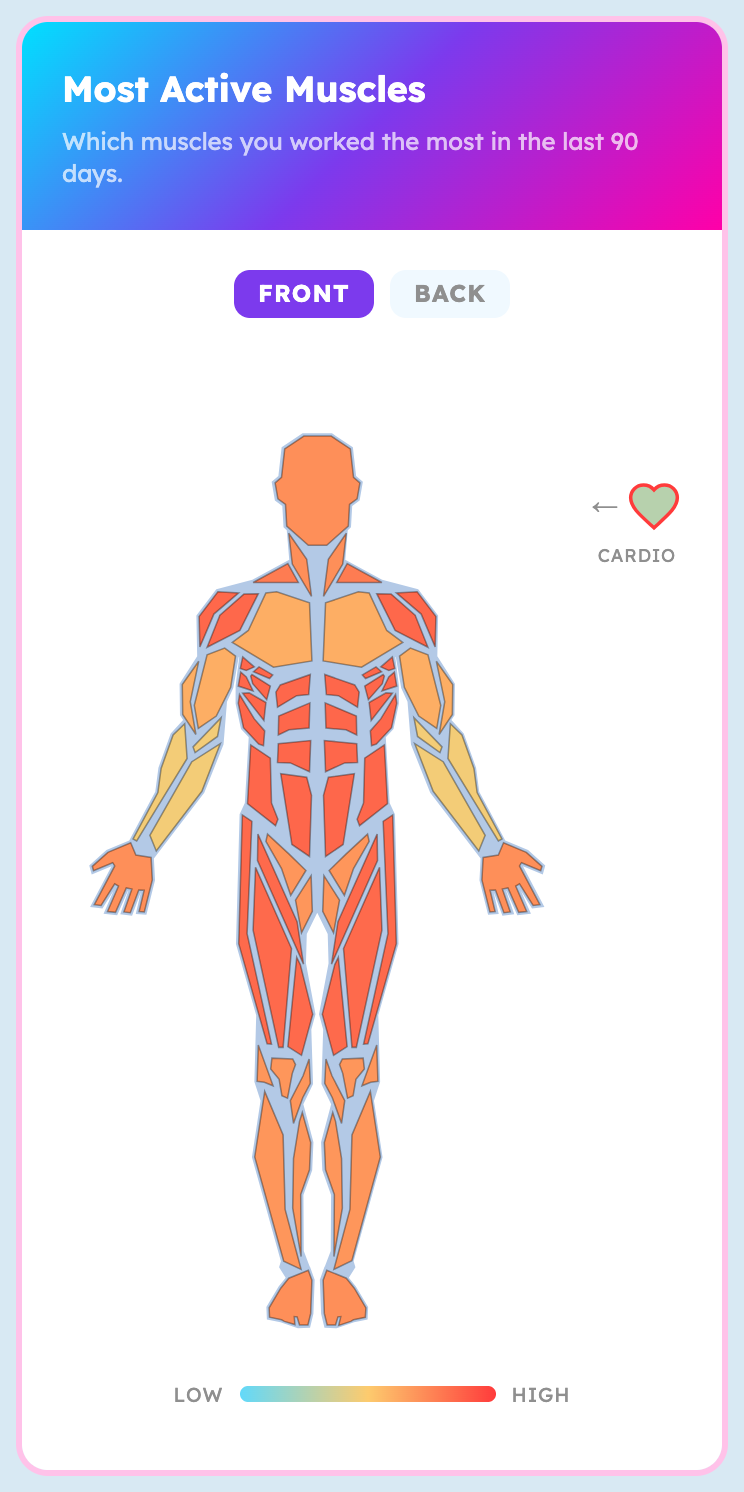
- Full body really means full body: Legs made up 41% of my sets, pushing 23%, pulling 16%, and core 13%. Glutes led the way, with core, shoulders, quads, back, and hamstrings all close behind.
- It’s not meant to cover cardio: Three workouts came to about 126 minutes a week, all of it strength and mobility. The weather was nice, so I went for walks with my friends on my off days—I left those off the app so they wouldn’t muddy the data. If you choose this program, plan on adding some cardio of your own.
- Equipment: Two or three pairs of dumbbells and a mat. I used 5s through 25s, and a resistance band shows up a couple of times.
Who I'd recommend this to
- Anyone with some strength training behind them who wants to get stronger and more mobile at the same time.
- People who like full-body training three days a week instead of a split.
- Anyone who keeps meaning to do mobility work and never gets to it.
- People who want a coach talking them through the whole session.
Who this isn't for
This isn’t one for beginners. Moves like Cossack squats, pike push-ups, and Jefferson curls ask for a base of strength and body awareness, and the pace assumes you already know your way around a dumbbell. If you’re just starting out, build up with something simpler first and come back to this one. It’s worth coming back to.
The muscle-balance check
Logging every set shows what actually gets worked over four weeks, and this one is nicely balanced for a full-body program. The lower body gets the most attention, and nothing in the upper body is ignored.
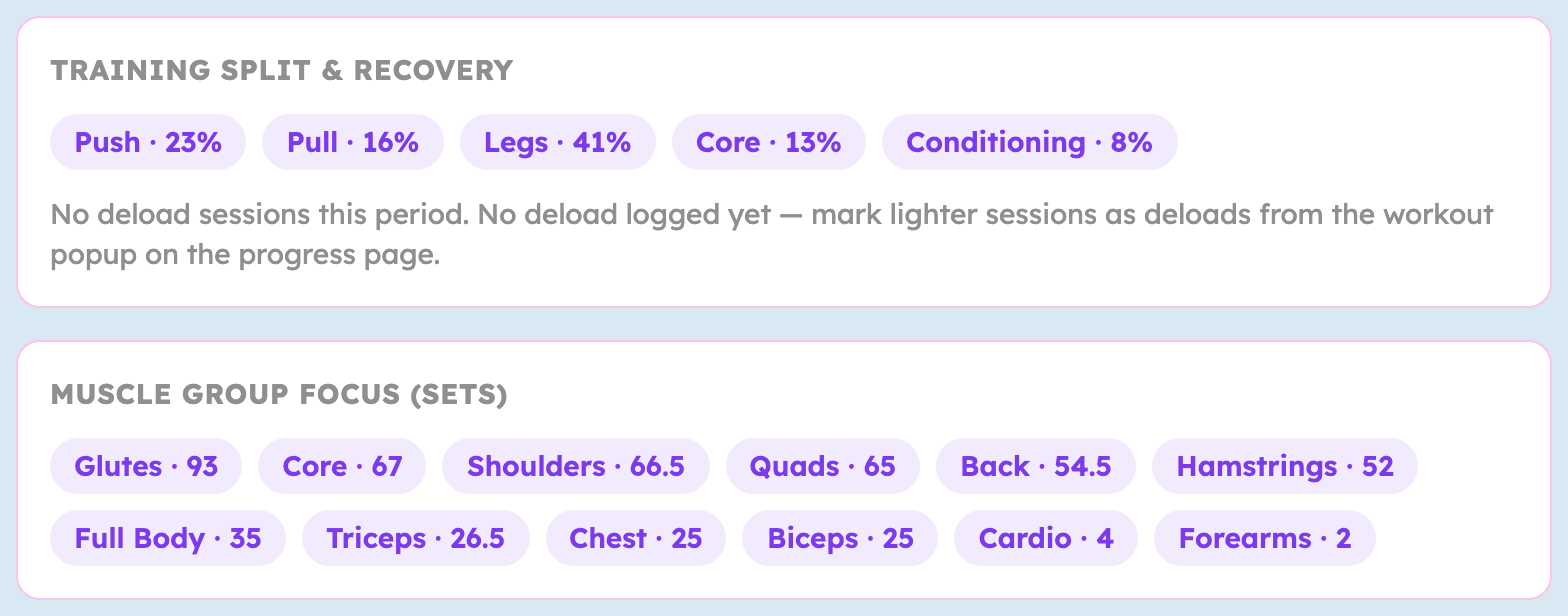
The lightest areas were chest and biceps (25 sets each), and calves don’t get any dedicated work. A couple of sets of push-ups and calf raises at the end of one workout a week covers both—along with those walks.